

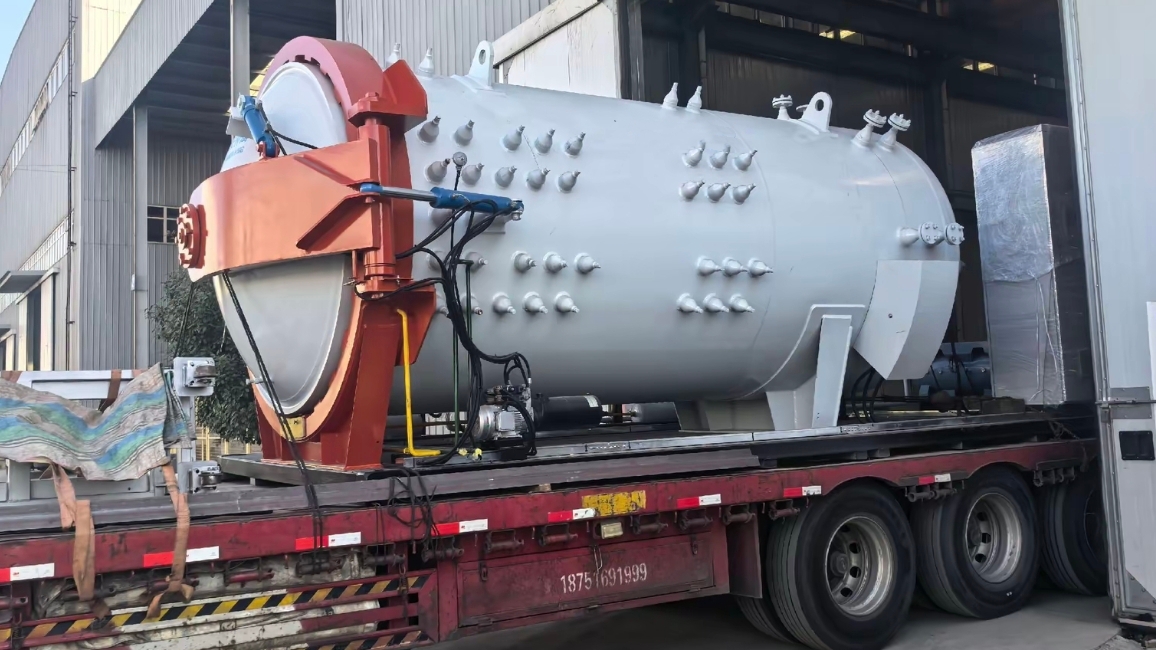
Purchasing a horizontal vacuum autoclave demands careful attention. Many suppliers cut corners on materials, controls, or safety features. This guide reveals six common traps. It also provides practical verification methods. Use these tips to protect your investment.
Verify Material Integrity Horizontal Vacuum Autoclave
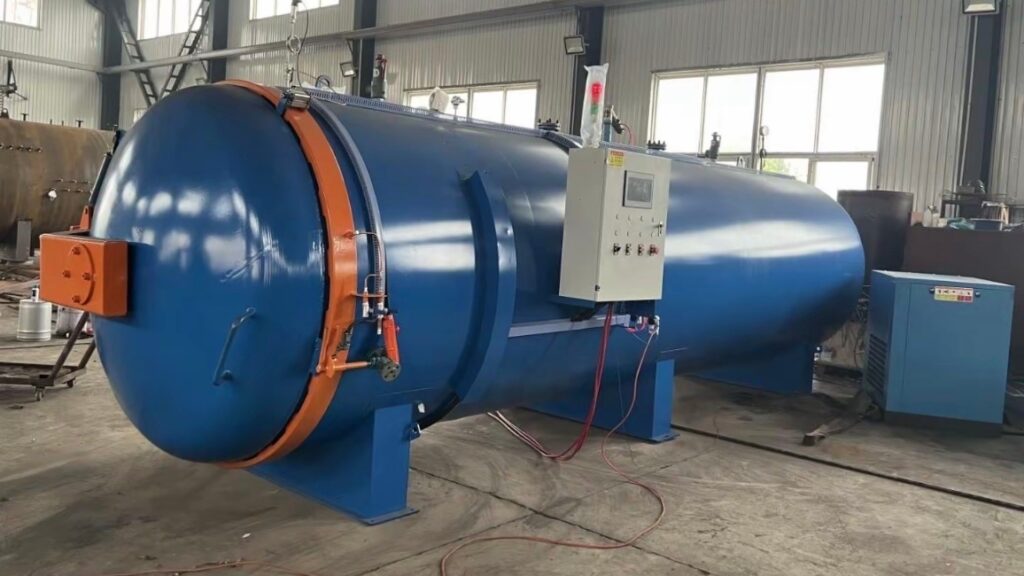
Some manufacturers use ordinary carbon steel instead of Q345R grade. Others substitute 201 stainless steel for 304. These shortcuts weaken pressure resistance and shorten service life.
To verify a horizontal vacuum autoclave, request material test reports. Check steel stamps against the certificate. Ensure every plate matches the promised alloy. Also ask for third-party mill certificates.
Perform a hardness test if possible. Compare results with standard values. Do not accept visual inspection alone. A reliable autoclave will have full traceable documentation.
Check Temperature Uniformity and Safety Interlocks Horizontal Vacuum Autoclave
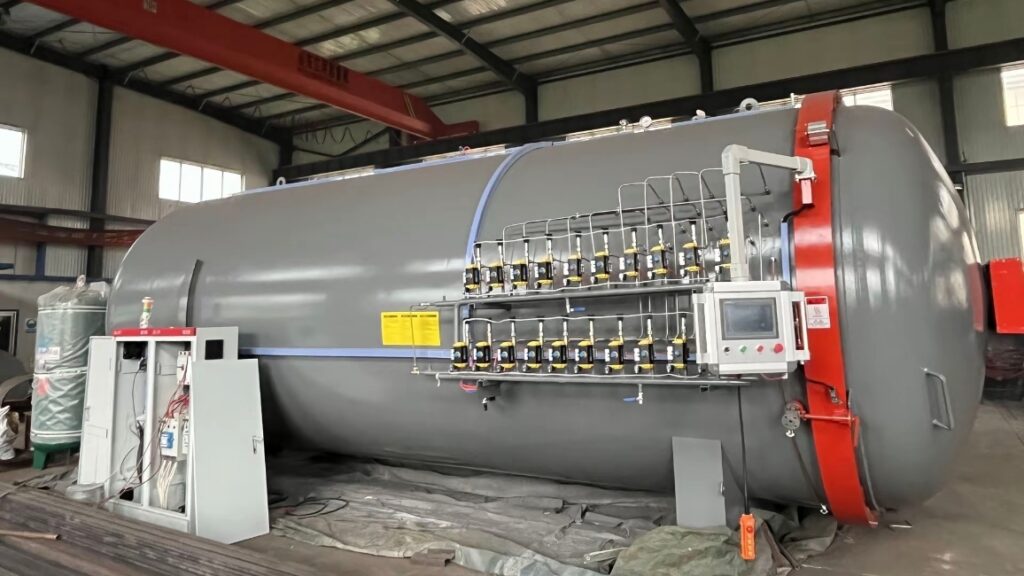
Many suppliers claim ±2 °C uniformity. Actual performance may exceed ±5 °C. Poor temperature control ruins composite curing. Therefore, demand proof before purchase.
For any autoclave, ask for an independent calibration report. Run a no-load temperature mapping test. Observe fluctuations during heat-up and hold phases. Keep a margin of at least 10% below the claimed spec.
Safety interlocks are another hidden trap. Some units have electrical, pneumatic, and mechanical chains that only look functional. They may fail during real overpressure or overtemperature events.
Test the horizontal vacuum autoclave by simulating abnormal conditions. Increase pressure beyond the set limit. Verify that the safety valve opens automatically. Check that the control system shuts down heating and pressurization. Record these tests on video.
Inspect Vacuum System Performance and Customization Accuracy Horizontal Vacuum Autoclave
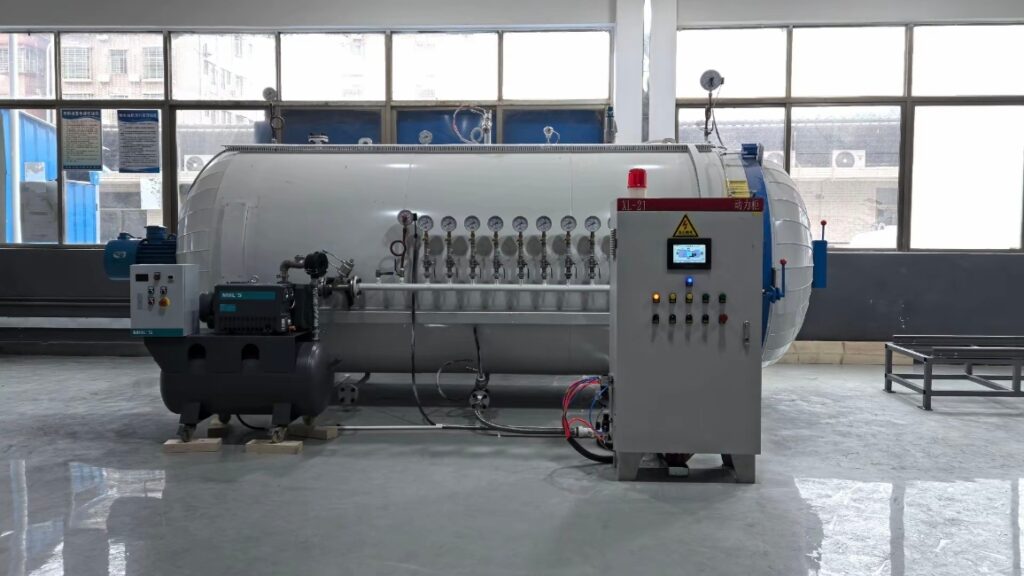
Vacuum levels often fall short of promises. A supplier may claim -0.09 MPa but only reach -0.06 MPa. Poor vacuum leads to trapped air and defective products.
Measure the autoclave using a calibrated vacuum gauge. After pulling vacuum, close the valve and hold for 30 minutes. Pressure rise should not exceed 0.005 MPa. Reject any unit that cannot maintain stable vacuum.
Customization promises also need verification. Many vendors agree to modify length but not internal diameter. This can render the autoclave useless for your specific workpieces.
For a custom horizontal vacuum autoclave, request a detailed 3D drawing. Confirm effective inner diameter, usable length, door opening style, and heating zone layout. Insist on written specifications before signing any contract.
Horizontal Vacuum Autoclave Secure After‑Sales Support and Smart Negotiation
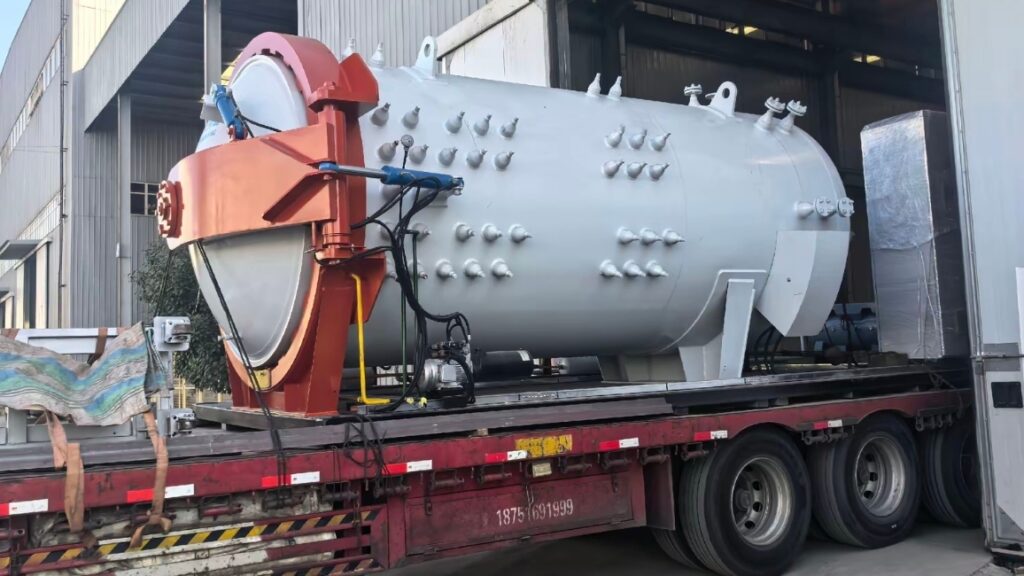
Warranty disputes are common. After a breakdown, some sellers blame “operator error” and refuse service. This leaves you with idle equipment and lost production.
Protect yourself when buying a autoclave. Define a minimum two‑year warranty in the contract. Set a response time of 48 hours or less. Require proof of local service coverage. Keep these clauses clear and enforceable.
Price expectations also matter. A quality horizontal vacuum autoclave suitable for aerospace or carbon fiber production typically costs at least 8,000 USD. Budget below 6,000 USD usually indicates low‑grade materials or limited features. Small workshops with simple needs may opt for cheaper units, but they accept higher risks.
In summary, a autoclave is a long‑term asset. Never compromise on material verification, temperature testing, safety interlocks, vacuum integrity, or after‑sales commitment. Follow this guide to avoid costly mistakes. Tianmiao offers fully traceable autoclaves with third‑party validation. Contact us for a customized quote that meets your exact process requirements.