

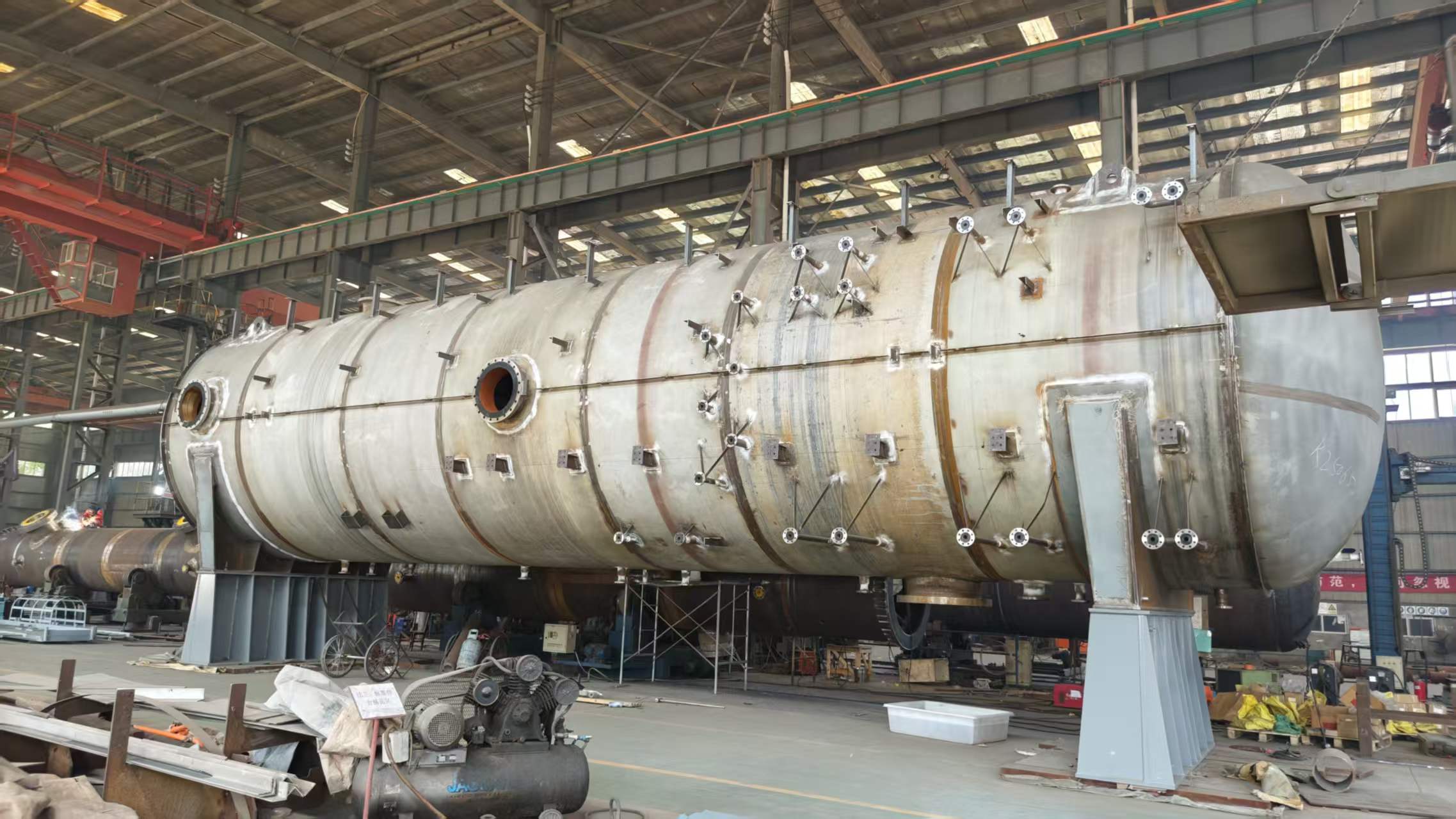
Tianmiao elevates quality standards for industrial separation equipment. Its core product is the horizontal oil-gas separator for industrial use. Every unit undergoes rigorous dual pressure testing before factory delivery. The dual tests cover hydrostatic pressure and air tightness performance checks. These strict procedures secure stable long-term field operation.
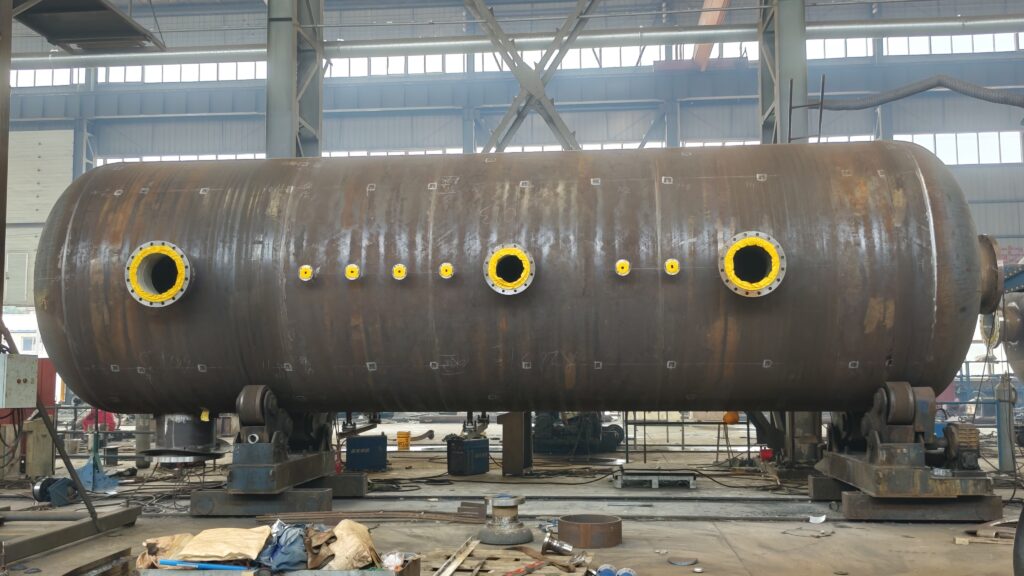
Why Every Horizontal Oil-Gas Separator Faces Two Pressure Tests
Safety matters most in gas-liquid separation. A horizontal oil-gas separator from Tianmiao must clear two rigorous checks before delivery. The first test examines structural strength. The second test verifies leak-proof sealing. Together, they ensure long-term trouble-free operation.
These tests are not optional. They form the backbone of quality assurance. Without them, hidden defects could cause field failures. That’s why Tianmiao enforces dual pressure validation for every horizontal oil-gas separator.
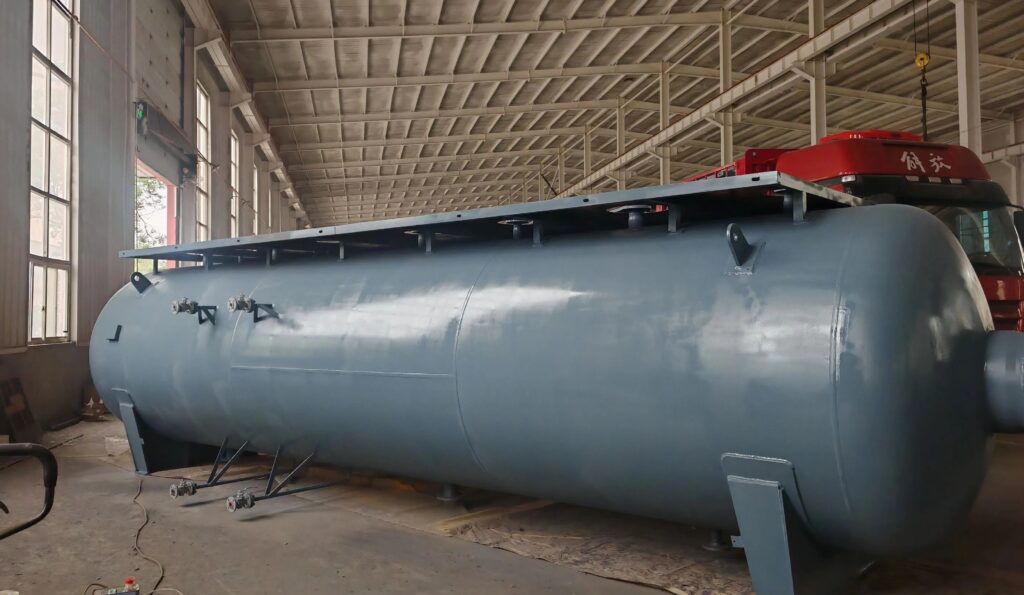
Horizontal Oil-Gas Separator Manufacturing Follows Strict National Standards
Industrial equipment needs clear rules. Tianmiao builds each separator according to national pressure vessel codes. Every test parameter has a written basis. Unqualified units never move to the next production stage.
Professional inspectors follow standardized steps. This approach eliminates human errors. It also makes every test result traceable. Customers gain confidence from consistent, documented quality.
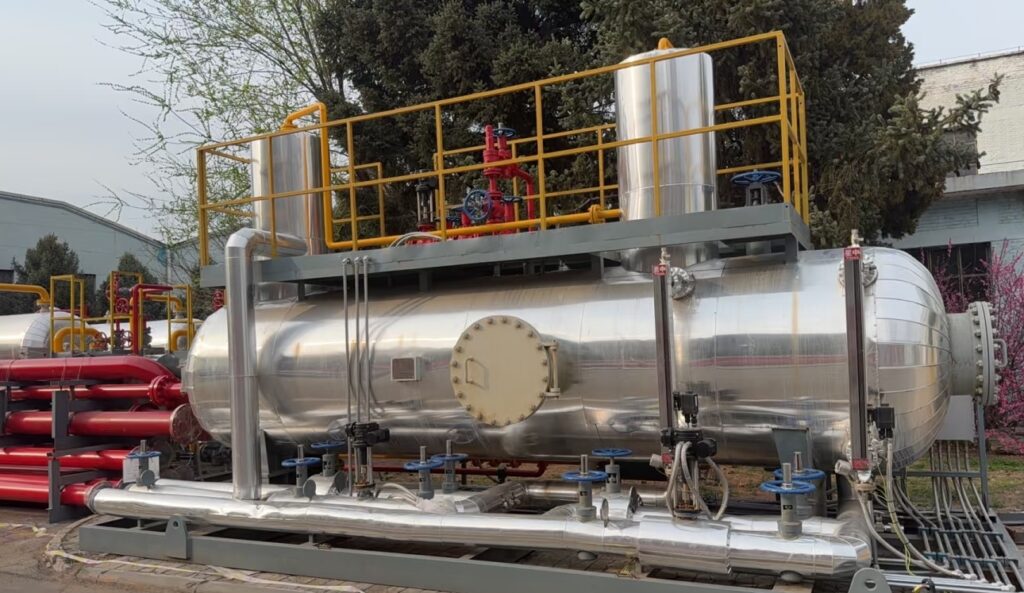
First Hurdle: Hydrostatic Test at 1.5× Design Pressure
- The hydrostatic test comes first. Technicians fill the horizontal oil-gas separator with water. Then they raise pressure to 1.5 times the design value. They hold this pressure steady for 30 minutes.
- During this period, inspectors watch for leaks or bulging. Only vessels with zero leakage and zero deformation pass. This step proves the shell, heads, and welds can handle extreme conditions. Any flawed product fails here and gets scrapped.
- Water provides a safe medium for high-pressure checks. It also reveals even tiny drops. Thus, the hydrostatic test is a reliable screen for structural weakness.
Second Hurdle: Pneumatic Test for Leak Tightness
- This test focuses on sealing performance. It finds microscopic leak paths that water might miss.Technicians pressurize the vessel with air. They then apply soap solution to all joints and flanges. If bubbles appear, the unit fails. No gas escape is allowed.
- Why two different tests? Water checks bulk strength. Air checks fine sealing. For a horizontal oil-gas separator, both are essential. Even a tiny gas leak can cause safety hazards or product loss.
- The pneumatic test mimics real operating conditions. It confirms that flanges, gaskets, and threaded connections hold tight. After passing, the separator is truly leak-free.
Full Traceability: Only Compliant Units Ship
- Every test leaves a paper trail. Technicians record pressure curves, hold times, and visual inspection results. They note any anomalies and corrective actions. All documents go into a permanent file.
- Each separator receives a unique test report. Only units with complete, passing records earn the shipping stamp. Rejects are removed from the production flow. This strict screening keeps quality consistent.
- Traceability serves another purpose: root-cause analysis. If a field issue ever occurs (rarely), the team can review original test data. This feedback loop improves future manufacturing.
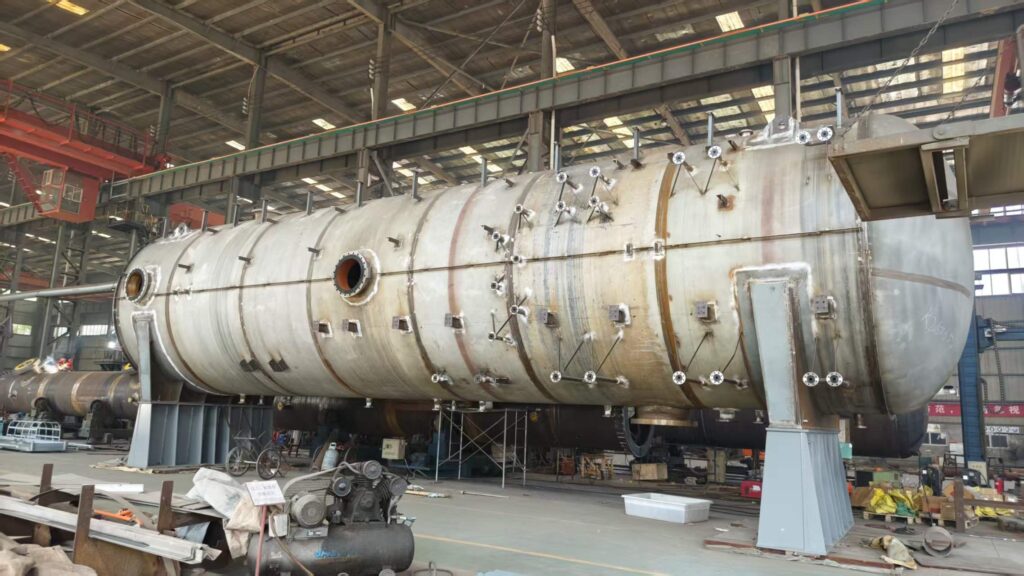
Dual Pressure Tests Build Lasting Trust
Tianmiao uses a dual pressure system for every separator. Hydrostatic testing validates structural integrity. Pneumatic testing confirms leak-tight seals. Together, they create a complete quality shield.
Customers receive equipment proven under pressure. They avoid unplanned downtime and safety incidents. High testing standards also enhance the brand’s reputation in industrial separation.
Thus, the horizontal oil-gas separator leaves the factory ready for years of reliable service. Dual tests are not extra steps. They are the industry’s best practice for safety and performance.