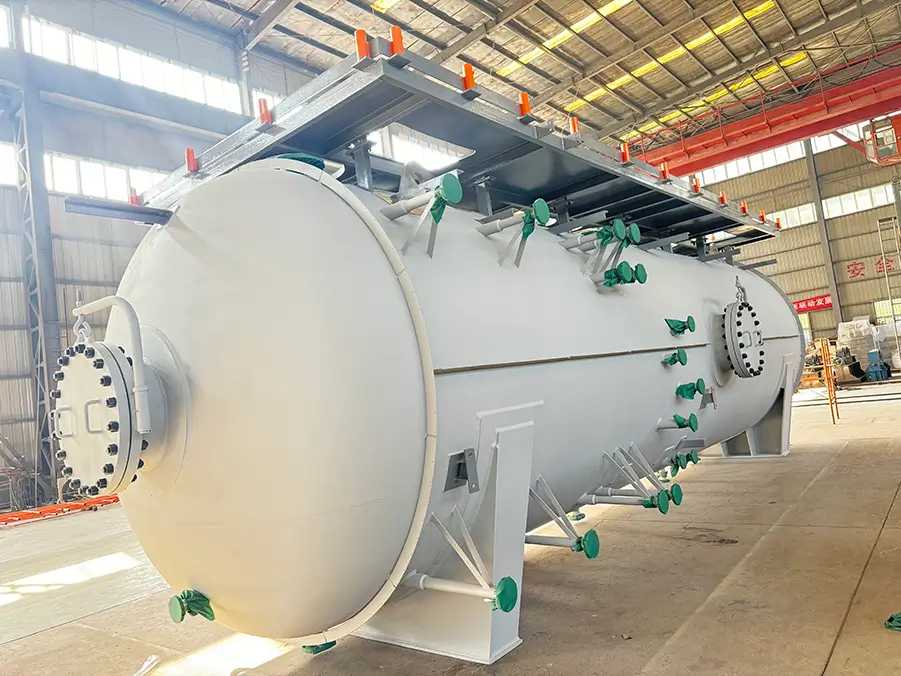
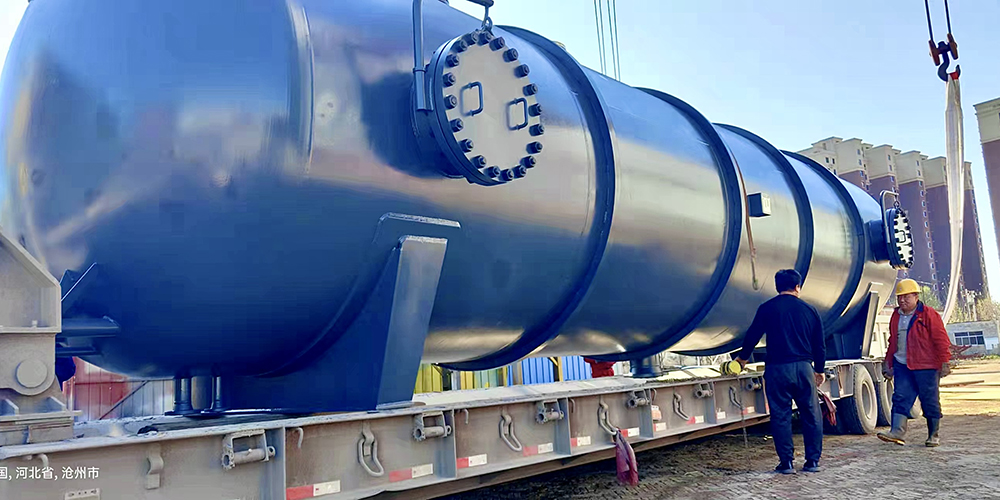
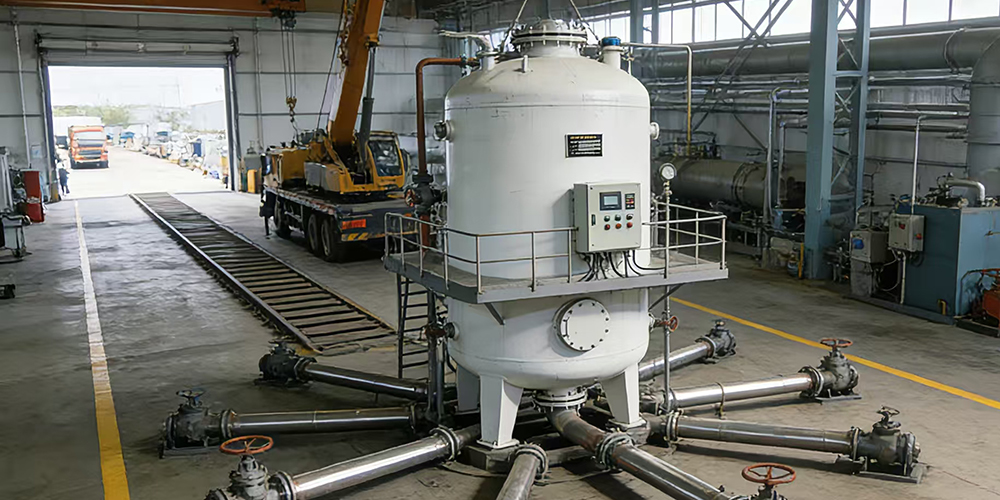
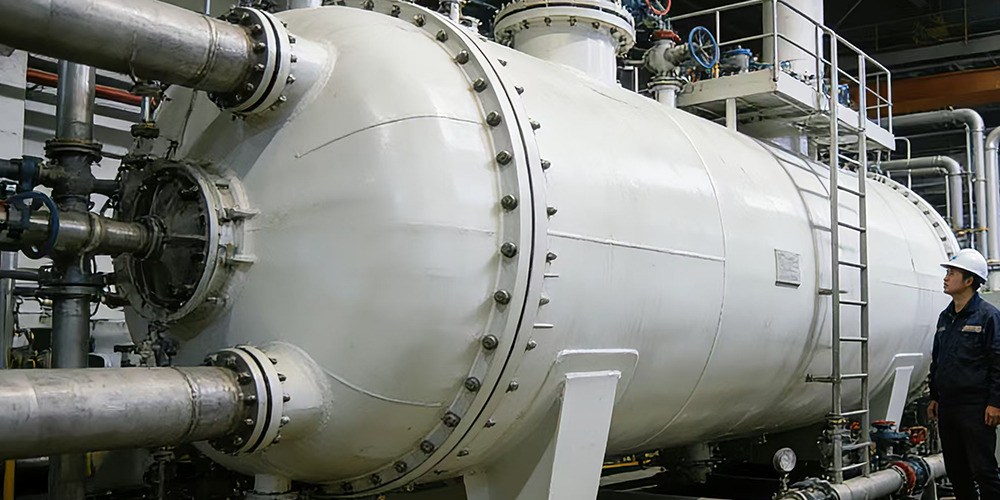
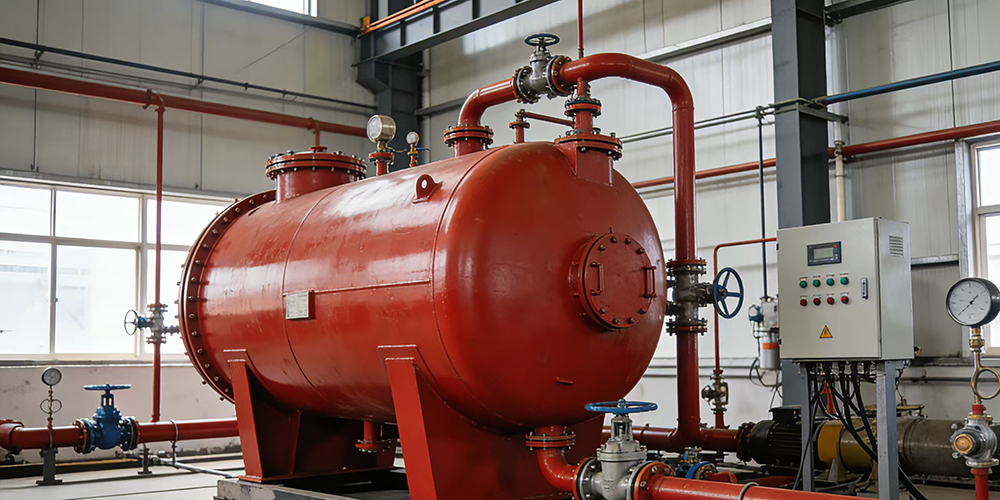
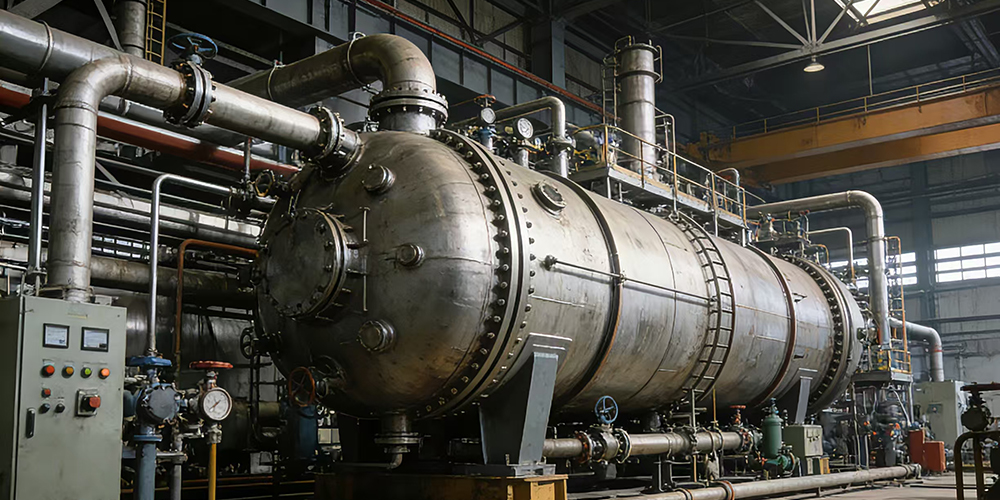
As a core separation device, separators are extensively utilized across the entire industrial chain of chemical and petroleum production, including oil and gas extraction, refining, chemical synthesis, and transportation. By physically or mechanically separating and purifying components in mixed substances, they provide qualified media for subsequent processes such as distillation, reaction, storage, and external transportation. This not only reduces equipment wear and energy consumption but also meets environmental protection requirements.
Chemical and petroleum separators are classified into three types based on application requirements and phase differences of separation media: 1. Wellhead three-phase separators (gas-oil-water separation): Employ a hybrid structure combining “gravity sedimentation + cyclone pre-separation” with anti-sulfur carbon steel. 2. Catalytic cracking cyclone separators (gas-solid separation): Use multiple parallel cyclone units for high throughput, constructed with high-temperature resistant stainless steel. 3. Chemical extraction liquid-liquid separators (solvent-product separation): Employ a “coalescence separation + gravity sedimentation” configuration, utilizing stainless steel to resist organic acid corrosion.
Routine maintenance requires regular checks on equipment pressure, temperature, and liquid level. Separators should discharge accumulated liquid from the bottom, with separation efficiency tested every six months to a year, and timely replacement or repair. Carbon steel equipment should be regularly coated with anti-rust paint.
The chemical and petroleum industry’s separators are undergoing a transformation toward “high efficiency, energy conservation, environmental protection, and intelligentization”: Optimizing internal flow fields to enhance separation efficiency; integrating separation functions with other process capabilities to reduce system resistance and energy consumption; Equipped with online monitoring sensors to track real-time parameters like separation efficiency, equipment pressure, and temperature, enabling automatic sludge discharge, filter media back-blowing, and fault alarms, thereby minimizing manual intervention and improving operational stability.